Custom waterproof bags for hotels and resorts cost $3.10–$8.40 per unit at MOQ 500 and serve three revenue-relevant jobs at once: pool and beach amenity kits that lift guest satisfaction scores, spa and boutique retail that grosses 5–10× margin, and operations bags that survive the wettest back-of-house environments in the property. No other merchandise category touches all three. This guide gives GMs, rooms-division directors, spa managers and procurement teams the formats, the specs that survive sunscreen and chlorine, the amenity-economics math and the brand-consistency rules that keep a 300-room rollout looking like one property.
We produce hospitality programs from boutique resorts to multi-property groups at QUANZHOU JUNYUAN BAGS — custom waterproof bag manufacturing since 2014, 4,950 m² SGS-verified facility, 7 lines, 149 machines, 137 staff, 200,000 pieces monthly. MOQ 500 per design, samples 6–10 working days, bulk 35–50 days, AQL 2.5 inspection, 30/70 T/T, FOB Xiamen, shipping to 100+ countries — including direct-to-property delivery on DDP terms.

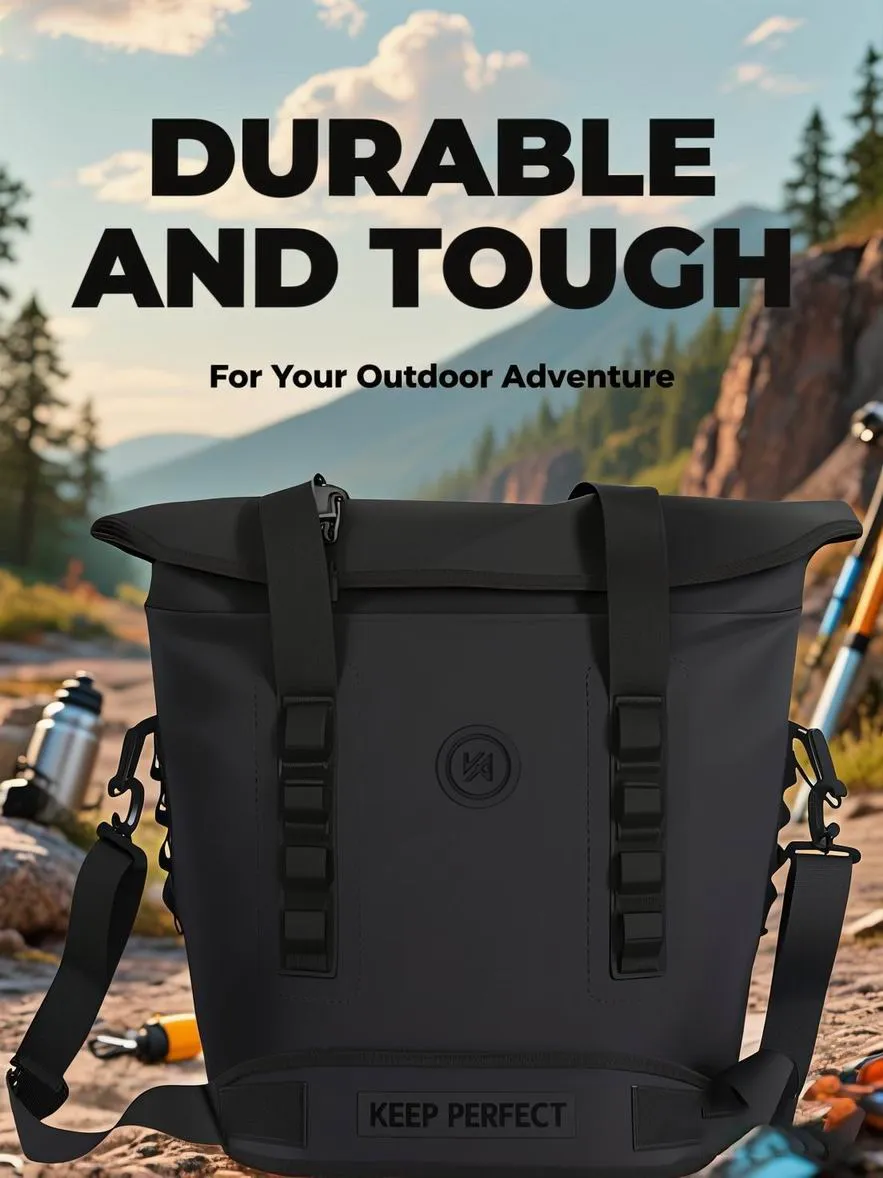
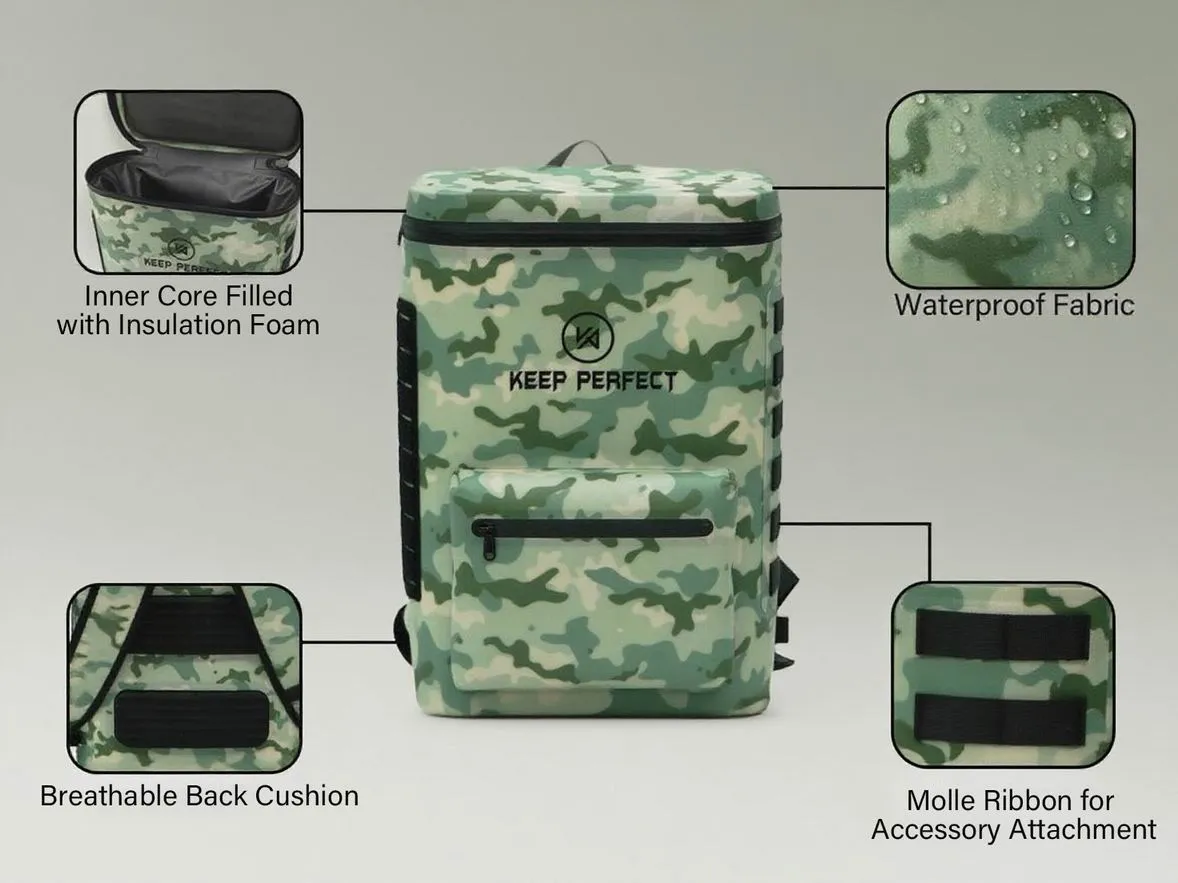
Three jobs, one product category
Hospitality buyers evaluating custom waterproof bags for hotel amenities and guest programs weigh three departments at once — pools, spas and excursions — before the first sample is ordered. Waterproof bags earn their place in hospitality budgets because they work in three departments simultaneously:
- Guest amenity — the pool/beach bag in the room or at the cabana: used daily during the stay, photographed constantly, taken home as the souvenir that keeps advertising
- Retail — spa and boutique sales at $35–$75 against $3.90–$8.40 cost; waterproof bags outsell every other soft-goods category in resort boutiques
- Operations — pool-towel logistics, wet-umbrella handling, spa linen transport, water-sports desk kit: the back-of-house formats that survive chlorine, salt and daily industrial laundering
The amenity application is the strategic one. A resort guest at a beach or pool property carries a bag every day of the stay; when that bag is the property’s, the brand appears in every beach photo, every pool-deck story, every airport on the way home. Guest-satisfaction impact is measurable too: properties report amenity-kit upgrades among the highest-ROI line items in post-stay surveys, because a genuinely useful physical gift outperforms its cost in perceived generosity.
Formats by department
| Department | Format | Typical size | Unit cost (500+) | Notes |
|---|---|---|---|---|
| Rooms / amenity | Beach tote or roll-top dry bag | 12–20L / 5–10L | $3.10–$5.20 | In-room welcome or cabana issue |
| Spa & boutique retail | Premium waterproof tote | 14–20L | $4.60–$6.80 | Retails $45–$75 |
| F&B / excursions | Insulated cooler backpack | 18–24L | $6.10–$8.40 | Picnic programs, activity desk |
| Pool & beach ops | Heavy-duty mesh-bottom wet bag | 30–50L | $4.20–$5.90 | Towel logistics, daily laundering |
| Concierge / front desk | Umbrella & wet-item bags | 5–8L | $2.90–$3.80 | Rainy-day guest service touchpoint |
The retail tote is the margin champion: a well-spec’d waterproof tote in property colors with a woven label retails at $45–$75 in spa boutiques, against a landed cost under $8. The operations formats are the quiet savings: heavy-duty wet bags rated for daily commercial laundering replace the disposable-plastic-bag habit at the towel desk and last two to three seasons.
Specs that survive sunscreen, chlorine and salt
Hospitality is a uniquely hostile environment for bags: SPF oils degrade coatings, chlorine bleaches prints, salt air corrodes hardware, and housekeepers launder everything at industrial temperatures. The hospitality-proof spec list is short and non-negotiable:
- TPU lamination (not PVC coating) — resists sunscreen-oil degradation and stays flexible in air-conditioned rooms and hot sun alike
- Solution-dyed or sublimation-stable fabrics — chlorine splash and UV exposure fade piece-dyed prints within a season at poolside
- 316-grade stainless or acetal hardware — salt air corrodes standard zinc alloy fittings within months at beachfront properties
- Welded seams in wet zones — stitched seams wick pool water into the dry compartment and mildew at the needle holes
- Embroidery or woven labels for branding — print methods vary in chlorine resistance; embroidery is permanent
- Commercial-laundering rating — ops bags must survive 60°C industrial wash cycles; we test to 100 cycles
Material selection is where hospitality programs most often go wrong: a fabric chosen for hand-feel in an air-conditioned showroom can crack, fade or delaminate within one pool season. Our sampling process puts the actual material in your actual environment — 6–10 working days, $60–$150, credited against bulk — because the pool deck is the only showroom that matters. The full material comparison is in our manufacturing guide.
Brand consistency across a multi-department rollout
A 300-room resort typically runs 3–5 bag formats across departments — and guests see all of them. Brand consistency is a discipline: one Pantone palette (matched to Delta E ≤2 across different base fabrics), one logo application hierarchy (embroidery for guest-facing formats, print for ops), one label program (woven property label in every bag, guest-facing and back-of-house alike). We run Lab-dip strike-offs for every fabric-color combination before bulk dyeing, so the beach tote and the spa tote are the same blue, not two close blues.
Multi-property groups add one more layer: the MOQ 500 splits across properties and colorways — 5 properties × 100 pieces in property accent colors, one shared construction and label program. The group win is purchasing leverage without visual monotony: identical construction quality and unit economics, but each property keeps its own accent identity in guest-facing formats. Pantone matching mechanics are detailed in our Pantone matching guide, and the branding-method comparison in the logo options guide.
The amenity economics: cost per guest-night
Amenity budgets live and die on cost per guest-night, and this is where waterproof bags quietly win. The comparison against standard amenity items:
| Amenity item | Unit cost | Lifespan / usage | Cost per guest-night (7-night stay) | Taken home? |
|---|---|---|---|---|
| Waterproof beach bag | $4.60 | Whole stay + years after | $0.66 | Yes — keeps advertising |
| Branded towel | $6.50 | Stay only | $0.93 | Rarely |
| Toiletry set | $3.80 | Consumed in 3–4 days | $0.54 | No |
| Welcome bottle + snacks | $5.00 | Consumed day 1 | $0.71 | No |
The bag is the only amenity that appreciates: guests take it home, use it for years and generate brand impressions at zero ongoing cost. Properties running the bag as a paid-upgrade amenity ($15–$25 on the folio) frequently turn the line item profitable outright — guests happily pay for what they perceive as a $40 product. Retail and bundle models follow the same margin logic mapped in our fitness industry guide.
Seasonality and the procurement calendar
Hospitality procurement is dual-season: beach properties peak with their high season (varies by hemisphere), city properties peak with events and holiday periods. The safe rule is stock on property 6 weeks before season start. With samples at 6–10 days, bulk at 35–50 days and sea freight at 4–6 weeks, that puts the inquiry 5 months before season — for a December Caribbean season, inquire in July; for a June Mediterranean season, inquire in January.
Established properties skip the crunch with annual agreements: one PO, scheduled delivery waves aligned to seasonality, locked pricing for 12 months, and reorders that ship in 30–35 days because materials are pre-positioned. The mechanics are in our reorder process guide. Opening-date pressure on new properties is the one case for hybrid shipping: 15–20% by air for the opening ceremony, balance by sea. And one planning note from experience: amenity attrition runs higher than most properties forecast — roughly 8–12% of bags "walk away" mid-season beyond the ones guests are meant to take — so the 10% buffer stock is not pessimism, it is the observed replacement rate.
Common mistakes in hospitality bag programs
- Showroom fabric selection — choosing by hand-feel indoors, then watching it crack or fade poolside; test the sample in the real environment first
- Print branding on guest-facing bags — chlorine and sunscreen degrade prints; embroidery costs $0.80–$1.80 and is permanent
- Zinc hardware at beachfront properties — corrodes in salt air within months; 316 stainless or acetal only
- One format for all departments — amenity, retail and ops have different specs; a shared color story with department-specific formats works far better
- Forgetting the ops quantities — guest formats get the attention, then the towel desk needs 200 more bags mid-season; order ops stock with the main run
- Ordering at season start — the 5-month runway is real; a July inquiry for a December season is comfortable, an October inquiry is air freight
Every one of these has happened at a real property. The pattern behind all six: hospitality bags are specified by people who buy for aesthetics and used in an environment that punishes aesthetics-first choices. The fix costs nothing — put the durability checklist into the spec before the beauty contest starts.
Working with hotel procurement: brand standards and approvals
Hotel purchasing runs through brand standards, and the approval chain is longer than in most industries: department head, executive committee, sometimes corporate brand office for flagged properties. We build the documentation pack for that chain as standard: formal quotation with itemized specs and HS codes, material data sheets, test reports (seam strength, hydrostatic head, colorfastness to chlorinated water and rubbing), strike-off photos against Pantone references, and pre-production sample couriered to the property for the executive committee to handle physically.
Flagged properties (brand-managed rather than independent) add the corporate design-review step: the bag must pass the brand’s merchandise guidelines for logo usage, color and quality tier. Our advice from twelve years of hotel programs: involve the brand office at sampling, not after — a sample that arrives with brand-guideline-compliant artwork sails through, while a finished production run that violates a guideline is an expensive lesson. Payment structures flex to property systems: 30/70 T/T is standard, and management-company purchase orders with net-30 terms against shipping documents are accommodated for established groups.
The sustainability story guests actually respond to
Resort guests increasingly read amenities through a sustainability lens, and waterproof bags carry a genuinely strong story when told honestly: one durable bag replaces the disposable plastic bags that pool desks and excursion desks hand out daily, and a bag taken home displaces years of single-use alternatives. Properties eliminating single-use plastics (now brand policy at most major flags) use the amenity bag as the visible proof point — it is the rare sustainability initiative guests physically carry around.
For properties wanting a materials-level story, rPET shells (recycled PET face fabric with GRS transaction certificates) run +$0.40–$0.70 per unit, and the woven label can carry the "made from recycled bottles" message with certification to back it. What we refuse to do is greenwash: "eco-friendly" without certification is a liability for your brand and ours. The durability argument — one bag, five years, thousands of displaced plastic bags — is the honest headline, and it costs nothing extra.
Case patterns from real properties
| Property type | Qty | Program | Result |
|---|---|---|---|
| Beach resort, 280 rooms, SE Asia | 1,600 | Amenity tote + ops wet bags, property colors | Amenity scores +9% post-stay survey; retail sell-through 71% in season 1 |
| Spa resort group, 4 properties | 2,000 | Retail tote, one construction, 4 accent colorways | Retails $58; top-selling boutique SKU two seasons running |
| City business hotel, rainy climate | 800 | Concierge wet-umbrella bags + shopper totes | Guest-service mention in reviews up measurably; reorders twice yearly |
The common thread: the bag program outperforms its budget line because it works in three departments at once, and because guests keep it. First orders establish the formats; from the second season the program runs on 30–35 day reorders that skip sampling — the rhythm described in our reorder process guide.
Outfit your property
QUANZHOU JUNYUAN BAGS — hospitality programs since 2014, from 60-room boutiques to multi-property resort groups, produced in our 4,950 m² SGS-verified facility (7 lines, 149 machines, 137 staff, 200,000 pieces monthly). MOQ 500 per design (property and department splits welcome), samples 6–10 working days, bulk 35–50 days, AQL 2.5 inspection, 30/70 T/T, FOB Xiamen or DDP direct-to-property, 100+ countries served. See how institutional buyers work with us.
Send your brand palette (Pantone codes), departments and quantities through the inquiry form — we reply within 24–48 hours with a format-per-department proposal, strike-off plan and quotation including cost-per-guest-night math. If your group is deciding between a one-off amenity order and an ongoing private-label retail line, our private label guide maps that decision.
Frequently Asked Questions
Q1. What is the minimum order for hotel bags?
MOQ is 500 pieces per design, which splits across properties, departments and colorways — 5 properties × 100 pieces in property accent colors is a standard group configuration.
Q2. How much do custom hotel bags cost?
Concierge wet-item bags $2.90–$3.80, amenity beach bags $3.10–$5.20, spa retail totes $4.60–$6.80, ops wet bags $4.20–$5.90, excursion cooler backpacks $6.10–$8.40 — all at MOQ 500.
Q3. Which bag works as a guest amenity?
A 12–20L beach tote or 5–10L roll-top dry bag in property colors with embroidered branding — used daily during the stay, taken home after, and the only amenity that keeps advertising for years.
Q4. Will the bags survive pool chlorine and sunscreen?
Yes, with the right spec: TPU lamination (not PVC), solution-dyed or sublimation-stable fabrics, welded seams, and 316 stainless or acetal hardware. We test ops bags to 100 commercial wash cycles.
Q5. Can each property in our group have its own colors?
Yes — one construction and label program, property-specific accent colorways, with the MOQ 500 split across the group. Pantone matching to Delta E ≤2 keeps every property on-palette.
Q6. What do spa retail bags sell for?
Well-spec’d waterproof totes retail at $45–$75 in spa boutiques against a landed cost under $8 — the highest-margin soft-goods category in most resort retail operations.
Q7. How far ahead should we order for season?
Five months before season start: inquiry and artwork, sampling 6–10 days, bulk production 35–50 days, sea freight 4–6 weeks, plus a sensible buffer. Annual agreements with scheduled delivery waves remove the crunch entirely for established properties.
Q8. Do you deliver directly to international properties?
Yes — FOB Xiamen standard, or DDP (delivered duty paid) direct to the property with customs clearance and duties handled by our forwarder. We ship to 100+ countries and provide the full documentation pack — commercial invoice, packing list, test reports — that hotel procurement audit files require.
Q9. Can bags be sold to guests as a paid upgrade?
Yes — properties price the amenity bag at $15–$25 on the folio or bundle it into premium room packages; guests perceive a $40 product and the line item often turns profitable outright.
Q10. What branding method lasts at a beach resort?
Embroidery — permanent against chlorine, salt and UV at $0.80–$1.80 per position. Woven property labels are the second layer and double as the consistency anchor across departments. Print methods are reserved for back-of-house formats where guests never see them.
Q11. Can we get samples before committing?
Always — samples built on the production line with your actual fabric, hardware and branding method in 6–10 working days, $60–$150, credited against the bulk order. Test them poolside with real sunscreen and real chlorine; that is the only showroom that matters for a hospitality program.
Q12. Do you make insulated bags for picnic programs?
Yes — insulated cooler backpacks (18–24L, $6.10–$8.40) with food-contact-compliant PEVA liners serve excursion and picnic programs, and double as leak-proof wet bags on the return trip.
Q13. What are payment terms for hotel groups?
30% deposit with PO, 70% against shipping documents (30/70 T/T). Multi-property groups can structure annual agreements with scheduled delivery waves and 12-month price locks.
Q14. Can housekeeping launder the operations bags?
Yes — ops formats are rated for 60°C commercial laundering, tested to 100 cycles. Mesh-bottom wet bags drain and dry fast enough for same-day towel-desk turnaround.
Q15. Can you match our hotel brand’s exact color palette?
Yes — Pantone-coded matching to Delta E ≤2 with Lab-dip strike-offs approved before bulk dyeing, so the beach tote, spa tote and ops bags are the same brand color across different base fabrics. Flagged properties get artwork that follows brand merchandise guidelines from the first mockup.
Q16. What quantities does a typical resort order?
A 300-room beach resort typically lands at 1,200–2,000 pieces across departments: amenity (one per room per season plus 10% attrition), retail (2–3 per room for boutique sales) and ops (workstation stock plus laundry rotation). All split from MOQ 500 per design.
Q17. Do you support new-property opening deadlines?
Yes — opening-date programs use hybrid shipping: 15–20% by air (7–10 days) for the opening ceremony and first guests, the balance by sea at standard freight cost. Send the opening date with your inquiry and we build the production and freight calendar backwards from it, with the buffer weeks marked explicitly so there are no surprises.
People Also Ask
What bags do hotels give guests?
Beach and pool properties give waterproof totes or roll-top dry bags in property colors ($3.10–$5.20 unit cost at MOQ 500) — used daily during the stay and taken home as the souvenir that keeps advertising.
What is a good resort welcome gift?
A waterproof beach bag in property colors: cost per guest-night around $0.66 on a 7-night stay, the only common amenity guests take home and reuse for years, and available as a paid $15–$25 upgrade that turns the line profitable.
How do resorts brand their beach bags?
Embroidery in property colors ($0.80–$1.80 per position) plus a woven property label — the only branding methods that survive chlorine, sunscreen oil, salt air and industrial laundering at a beachfront property.
What material are waterproof beach bags made of?
TPU-laminated polyester or nylon (420D–840D) with welded seams — PVC-free, resistant to sunscreen oils, and flexible from air-conditioned rooms to direct sun. Hardware should be 316 stainless or acetal against salt air.
Can hotels sell branded bags in their boutiques?
Yes — spa and boutique retail of waterproof totes at $45–$75 against under-$8 landed cost is standard resort practice and the highest-margin soft-goods category in most property retail operations.
How many bags should a hotel order?
Amenity: one per room per season plus 10% attrition. Retail: 2–3 per available room for a season of boutique sales. Ops: one per workstation plus laundry rotation. A 300-room resort typically lands at 1,200–2,000 pieces across departments, split from MOQ 500 per design.