A waterproof field bag is useful only when it preserves the sample state and the sample identity at the same time. For seed, the decisive hazard is water-vapour gain: moving from roughly 8% to 11% moisture can sharply accelerate respiration, fungal activity and viability loss even though no liquid leak is visible. For soil, leaves and treated seed, the decisive hazards are cross-contamination, odour migration and unrecorded chemical contact. The correct system therefore separates dry seed from wet specimens, provides an actually writable or label-bondable exterior, uses seals compatible with dust and mud, and establishes a documented clock from collection to receipt. A bag that stays dry but loses its lot number is not protective packaging; it is an anonymous specimen that may invalidate a seed certification, residue investigation or whole-lot release decision.
This guide converts those risks into purchasing criteria: moisture bands by crop, humidity buffering limits, field label architecture, soil and odour isolation, pesticide and fertilizer compatibility, sampling timestamps, custody seals, compartment sizing, verification tests and a bulk-order acceptance plan. It also explains why one universal sample pouch is a false economy and how to combine several constructions under one institutional programme while keeping the minimum order clear. QUANZHOU JUNYUAN BAGS: custom waterproof bag production since 2014, 4,950 m² SGS-verified facility, MOQ 500 pieces per style, sampling in 6–10 working days and bulk in 35–50 days, FOB Xiamen.
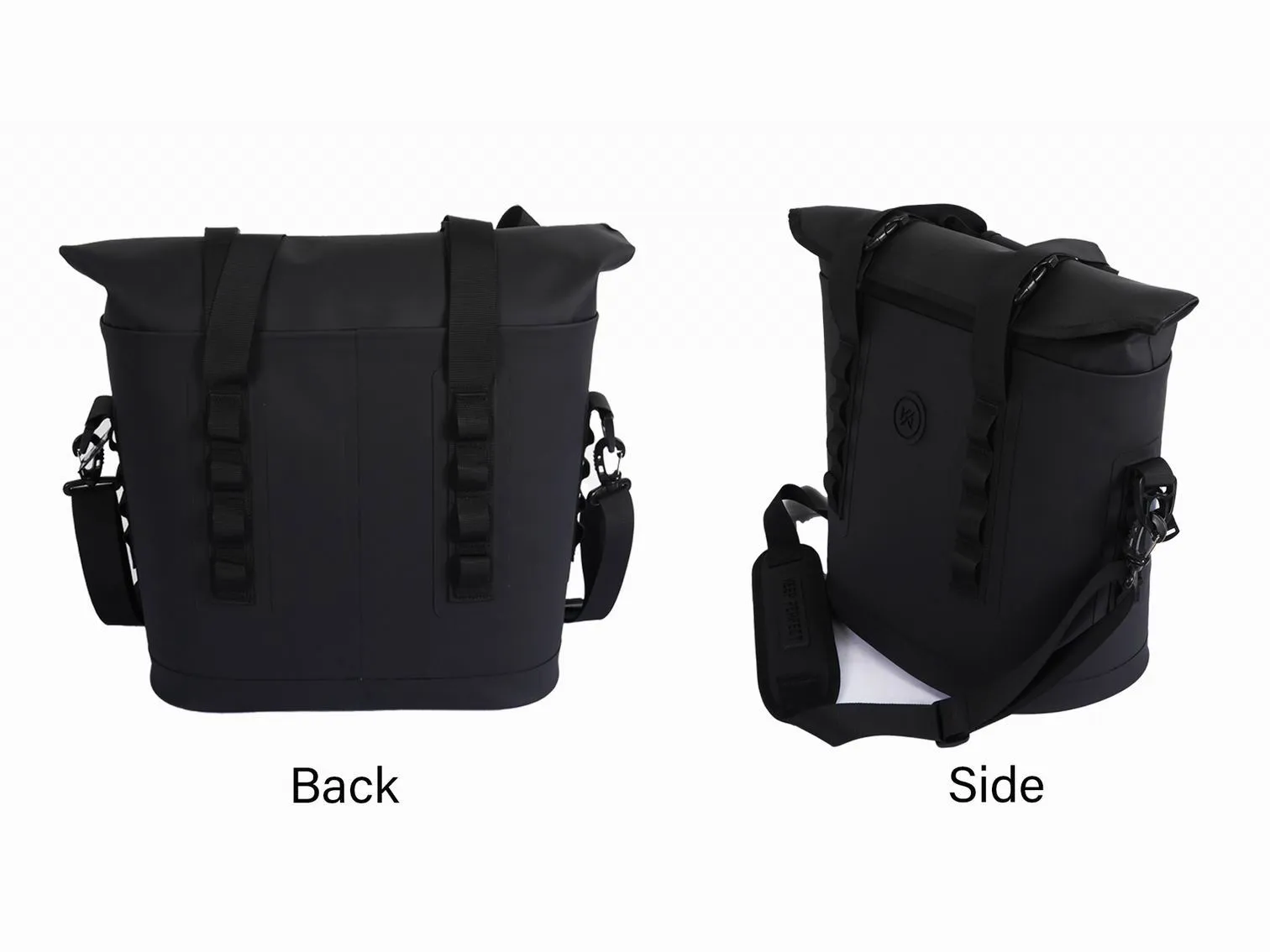
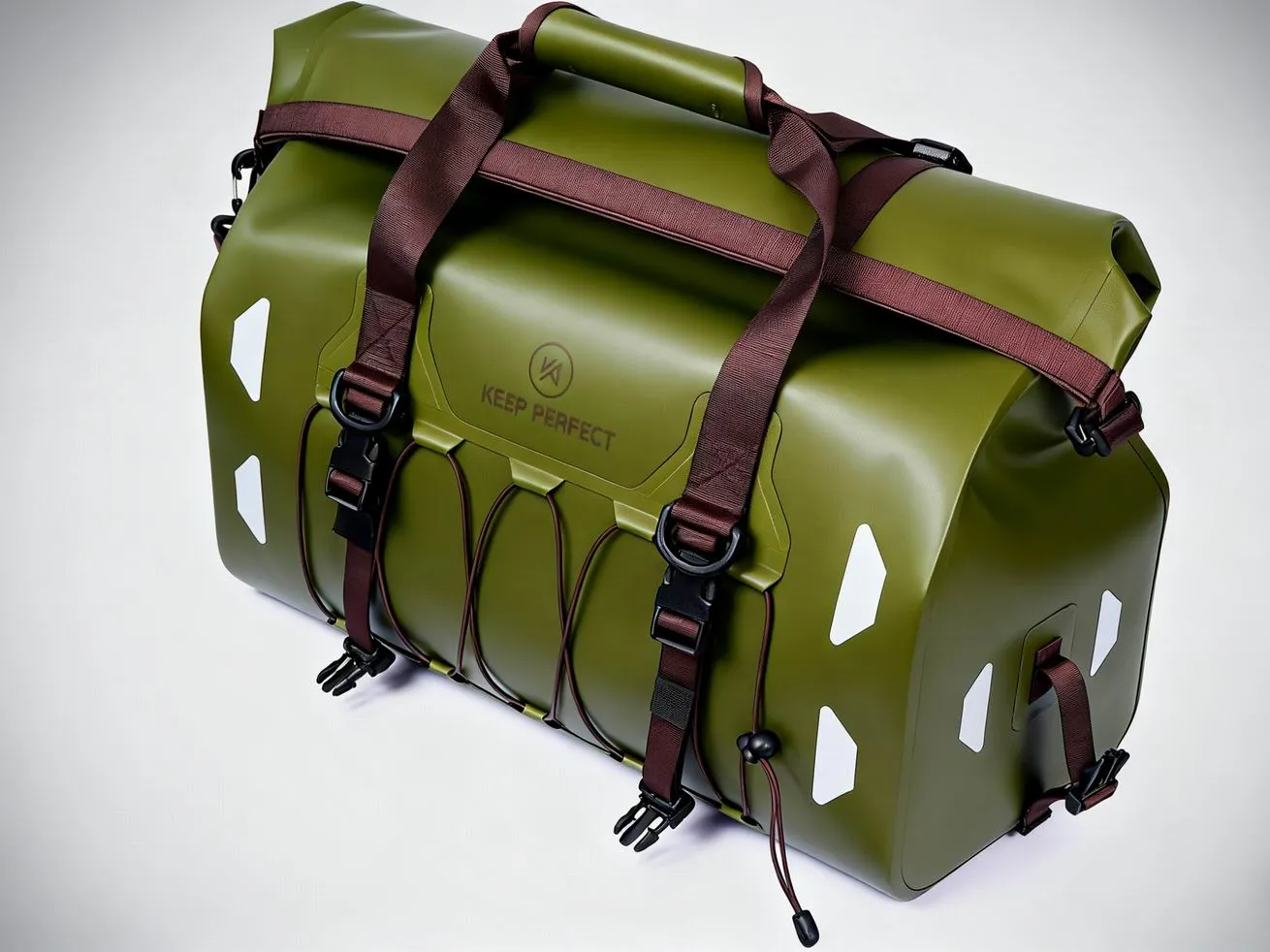
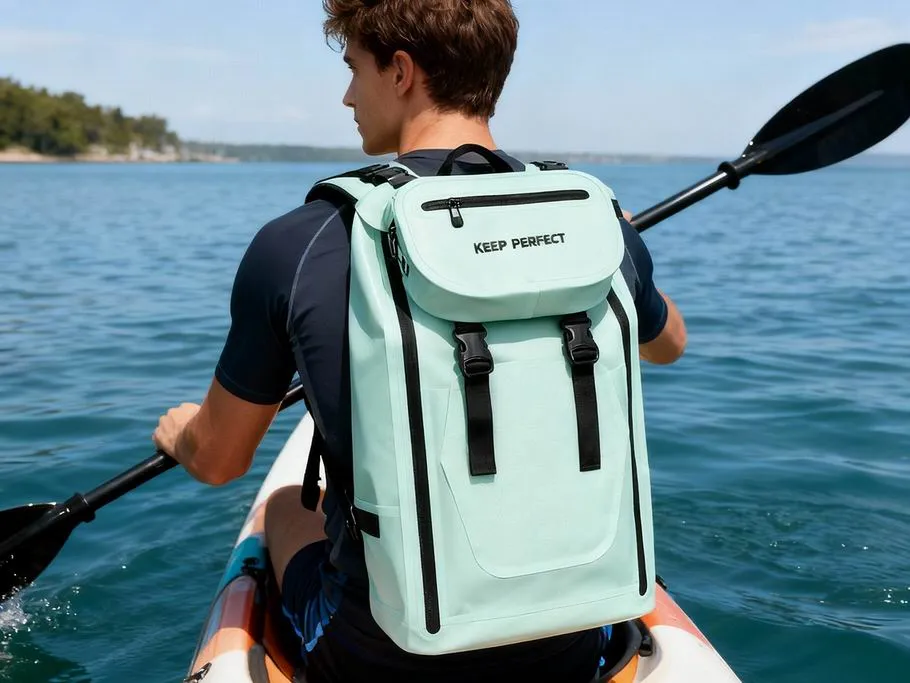
Seed viability can collapse after only a small moisture gain
The central specification problem for waterproof seed sample bags used in agriculture field sampling is not rainfall by itself; it is the movement of water vapour into a hygroscopic biological sample. Seed exchanges moisture with surrounding air until it approaches equilibrium. A bag may show no droplet penetration and still allow enough vapour transmission during a hot, humid route to move a dry cereal sample several percentage points upward. That shift changes the sample. Respiration rises, mould risk accelerates, insects become more active, and a germination result can describe transport damage rather than the lot that was sampled.
The often-used seed-storage rule of thumb is that, within a moderate moisture range, each one-percentage-point rise in seed moisture can roughly halve storage life; each temperature rise of about 5.6°C can also roughly halve it. It is not a release specification, because crop, initial quality and temperature matter, but it explains why a change from 8% to 11% is not trivial. Oil-rich seed generally needs a lower safe moisture than starchy cereal seed: a short field transfer that is tolerable for wheat near 12% may be unacceptable for canola or sunflower near 8%.
- Record moisture on a wet-basis percentage and state the measurement method; values from different meter calibrations are not automatically comparable.
- Define whether the bag is preserving a dry submission sample or merely containing a freshly harvested sample that must continue to breathe.
- Do not add desiccant by habit. It can alter the specimen moisture that the laboratory was supposed to measure and therefore bias the result.
- Treat condensation inside a closed bag as a sample excursion, not as a cosmetic packaging issue, because free water creates local mould zones.
A buyer should specify a maximum transport duration and a water-vapour requirement together. Film thickness alone is not a barrier specification. Request a water-vapour transmission rate for the complete laminate at a stated temperature and relative-humidity gradient, then challenge the closed sample during the expected route. The International Seed Testing Association publishes the rules that define sampling, moisture and germination procedure, and those rules should drive the specimen-side requirements before any packaging is quoted. The broader use of field bags is discussed in waterproof bags for agriculture and farming, but seed evidence needs a tighter moisture and identity control than general farm storage.
Choose a moisture strategy by specimen type, not by bag size
A procurement team should begin by classifying what must remain unchanged. Dry seed submitted for purity, moisture or germination work needs a low-vapour barrier and a reliable closure. Fresh leaf tissue may need cooling and short transit rather than hermetic storage. Damp soil needs leak containment without pretending that its microbial population will remain static indefinitely. Treated seed needs both moisture protection and chemical segregation. These are four different preservation jobs, even if every specimen physically fits in the same one-litre pouch.
| Specimen and test purpose | Preferred package behaviour | Release trigger | Failure consequence |
|---|---|---|---|
| Dry cereal or pulse seed for viability | Low water-vapour transmission, opaque or UV-limited, reclosable only if custody allows | No visible condensation; moisture change within the laboratory plan, commonly no more than 0.5 percentage point | Germination decline or mould makes the submitted portion unrepresentative |
| Oilseed for moisture or quality | Higher vapour barrier and minimal headspace; fast route to controlled storage | Any unexplained mass or moisture gain investigated | A small moisture rise has disproportionate storage impact |
| Fresh plant tissue for diagnosis | Leak-resistant secondary bag with cool, prompt transport | Receipt within the laboratory-defined same-day or next-day window | Tissue senescence or pathogen overgrowth obscures diagnosis |
| Damp soil for microbiology | Tight liquid closure, odour barrier, separate secondary compartment | Temperature and receipt time recorded; no cross-leak | Microbial profile drifts and other samples become contaminated |
| Chemically treated seed | Barrier verified against treatment formulation and abrasion-resistant label | No colour transfer, tack, swelling or seal softening | Treatment identity and residue results become unreliable |
The decision column must be written into the sampling plan. A phrase such as “keep dry” cannot be audited, while “no condensation, seal intact, receipt within 24 hours, and moisture change not exceeding the method allowance” can. The laboratory should set the analytical tolerance because some methods require the specimen to arrive as collected, whereas others permit conditioning. Packaging suppliers should not invent a universal acceptable change.
For custom programmes, define colour or shape coding by specimen class so a field technician cannot put wet soil into the seed pouch by mistake. A narrow clear document sleeve, a large white write-on panel and tactile zipper differences are more dependable than subtle print colour under low light. Capacity can then be developed through the principles in the bag size and dimension guide without confusing nominal litres with usable sample volume.
Writable identification must survive mud, gloves and condensation
Traceability is a physical performance requirement. Field labels encounter wet gloves, blowing dust, abrasive soil, condensation and repeated handling. A glossy TPU or PVC face can repel water beautifully and also reject ballpoint ink, smudge alcohol marker, or release a pressure-sensitive label after cooling. The specification must therefore name the writing and label system rather than merely requesting a “label area.” A matte corona-treated patch, a protected paper insert or a validated synthetic label stock can each work, but each requires a different test.
At minimum, the visible record should carry a unique sample ID, grower or project code, field and plot, crop or material, lot or treatment code, collector, date, local time, depth for soil, and preservation action. A QR or Data Matrix code can accelerate intake, but human-readable text remains mandatory because mud, wrinkles and scanner failure are predictable. Duplicate the identifier inside a protected window or on a tamper-evident custody strip so one scraped exterior label does not erase the chain.
- Test writing after the pouch has been chilled and after its face is wet; dry-room demonstrations do not represent morning field use.
- Rub the completed mark for 100 cycles with a damp cotton cloth and confirm that every critical character remains legible.
- Apply the proposed label to the actual coated substrate, condition it at high humidity, then peel from a corner; adhesive compatibility is substrate-specific.
- Place the barcode on a flat zone away from welds, folds and gussets, with a quiet zone that remains visible when the bag is full.
- Use a sequential custody seal whose number is recorded separately; a plain zipper indicates closure but not unauthorized reopening.
Brand artwork and variable sample data are different print systems. Logos may use screen print or heat transfer after compatibility testing, while variable IDs normally need labels or direct thermal media. The trade-offs among those decoration processes appear in our custom logo and printing guide. Require the approved label stock and marker model in the field kit bill of materials; otherwise the bag passes approval with one consumable and fails in service with another.
A chain-of-custody record begins at the instant of collection
A defensible sample is a sequence of events, not an object. Collection time starts the clock, and every handoff should preserve who held the sample, where it was stored and whether the seal changed. This matters for regulatory residue work, seed-lot disputes and contract quality claims because the laboratory result may determine the disposition of tonnes of material. If the pouch identity, collection point or custody interval is uncertain, a scientifically precise result can still be unusable evidence.
The collection entry should be made before leaving the plot: unique ID, GPS or mapped point if the protocol requires it, sample mass, method, condition, local time, collector and any anomaly such as rain during sampling. At each transfer, record time, sender, receiver, temperature condition where applicable and seal number. Photographing the sealed pouch beside the plot card is useful corroboration, but a photograph is not a substitute for the written chain because files can lose context and timestamps can be altered.
| Control point | Required record | Packaging feature | Reject or investigate when |
|---|---|---|---|
| Collection | ID, location, time, method, collector, visible condition | Write-on panel plus machine-readable code | ID differs between field sheet and bag |
| Field staging | Start and end time, shade or cooled storage | Crate-compatible shape and protected closure | Bag sat in direct sun or pooled water |
| Handoff | Sender, receiver, time and custody seal number | Numbered tamper-evident strip | Seal broken, absent or number mismatched |
| Courier transport | Dispatch time, service, expected arrival | Secondary waterproof carrier and rigid divider | Route exceeds stability window |
| Laboratory receipt | Receipt time, seal, temperature, leaks and label legibility | Exterior that can be disinfected or wiped clean | Any critical identity field unreadable |
Print a small acceptance checklist on the bag or its removable field card. It reduces training dependence and creates consistent observations at receipt. For branded institutional orders, the same fields should be mapped into the RFQ and artwork proof; our waterproof bag RFQ guide shows how to separate performance requirements from artwork so neither is lost during quotation.
Wet soil needs containment, odour control and a defined holding time
Soil is not simply dirty seed. Moist soil carries pore water, volatile compounds, spores, active bacteria and abrasive mineral particles. A closure contaminated with fine clay may appear shut while a capillary path remains through the teeth. Organic-rich samples can generate odour and gas as microbial activity continues. A waterproof carrier must therefore contain leakage and odour, tolerate gritty handling and avoid claiming that a sealed pouch preserves the original biology indefinitely.
For chemistry such as many mineral or contaminant tests, a clean inert liner inside a durable secondary carrier separates analytical contact from transport protection. For microbiology, the laboratory normally defines temperature and maximum holding time; same-day cooling and delivery may be necessary, and freezing may be prohibited because it changes viable populations. For volatile analysis, an ordinary bag can be unsuitable altogether. The sample container and preservation method must come from the analytical method, while the custom bag acts as secondary containment and identification.
- Keep soil, plant tissue and dry seed in physically divided compartments; colour coding alone does not stop a leak.
- Use an absorbent pad sized to the plausible free-liquid volume, but do not let the pad contact a specimen whose mass or chemistry will be measured.
- Specify a smooth, wipeable interior with radiused corners; stitched binding traps soil and makes decontamination claims difficult to support.
- Open biologically active samples only in the laboratory work area specified by the method, not in a vehicle or shared receiving office.
- Define disposal for contaminated liners and absorbents; a reusable outer bag does not make every inner component reusable.
Odour resistance should be challenged with the expected material, not inferred from a hydrostatic-head value. Water pressure and organic-vapour transmission are different properties. A practical pilot uses a strong but safe surrogate, sealed for the longest route at the highest expected temperature, with a blinded panel outside the secondary carrier. Any detectable transfer triggers a higher-barrier liner or a shorter route rather than more fragrance or an antimicrobial finish.
Fertilizer and pesticide residues attack coatings in different ways
Agricultural sample bags rarely contact pure water. Fertilizer dust can dissolve into concentrated salt solution on a damp surface; crop-protection residues may carry hydrocarbons, alcohols, surfactants or oils; seed treatments combine pigments, binders and active ingredients that rub from kernels. These contacts can plasticize PVC, swell some polyurethane systems, extract colour, embrittle adhesives or reduce weld strength. The relevant question is not whether a polymer is “chemical resistant,” but whether the complete laminate, print, closure and label survive a named formulation at a named concentration and temperature.
Create an exposure list from the farm programme: urea and ammonium fertilizers, phosphate dust, salt solutions, diesel contamination, cleaning alcohol, diluted hypochlorite, and the actual commercial pesticide formulations likely to be present. Safety data sheets identify carriers and pH, but they do not predict bag compatibility. Use coupons cut from production-intent material, include printed and welded zones, expose them for the maximum credible contact time, and compare mass, dimensions, hardness, colour and peel strength with unexposed controls.
- A mass or dimension change around 5% is a clear warning for a flexible coating, even when no crack is visible.
- Tackiness, whitening, blistering, dye transfer and edge curl are practical failure criteria because each can compromise labeling or sealing.
- After exposure, flex the coupon and run the seam test; chemical damage often appears only when a softened layer is stressed.
- Do not extrapolate from neat active ingredient to the formulated product. Solvent and surfactant packages usually drive polymer attack.
- Keep an exposure retention sample from each material lot when residue investigations are a recurring institutional use.
The material-screening logic is expanded in our comparison of chemical resistance in waterproof materials. For purchasing, attach the exposure matrix to the specification and require written approval before any film, ink or adhesive substitution. An apparently equivalent coating can have a different plasticizer package and fail only after hours against a pesticide residue.
Collection-to-laboratory clocks must be printed into the workflow
Sampling time and submission time answer different quality questions. Seed germination samples may tolerate a controlled journey measured in days when dry and cool, but fresh disease tissue can deteriorate in hours, and moist soil microbiology can drift during one warm afternoon. The laboratory method must define the holding time; packaging cannot extend it by assertion. A route that routinely misses the window needs a different collection schedule, a local preparation step or a closer laboratory, not a more expensive logoed pouch.
Use three timestamps: collection completed, preservation initiated, and laboratory receipt. If cooling is required, add the time the sample entered the validated cool environment. “Shipped Tuesday” is not enough because a specimen collected at 07:00 and chilled at 16:00 experienced nine undocumented hours. A receiving checklist should identify weekends, public holidays and courier cutoff times before teams enter the field. Friday afternoon collection is a common preventable cause of Monday rejection.
| Route condition | Planning rule | Packaging response | Disposition rule |
|---|---|---|---|
| Dry seed, short domestic route | Control humidity and avoid vehicle heat; dispatch on collection day | Low-vapour primary pouch inside rugged carrier | Investigate condensation, torn seal or unexplained moisture shift |
| Fresh symptomatic leaf | Use laboratory-defined cool range and same-day or next-day delivery | Clean inner specimen pack plus insulated secondary carrier | Reject or qualify if warm duration is unknown |
| Moist soil for microbial work | Begin method-specific holding clock at collection | Leakproof primary, absorbent, separate outer compartment | Do not report as representative after an exceeded time limit |
| Residue sample under dispute | Use documented custody at every handoff | Numbered seal and redundant ID | Broken seal triggers formal deviation and possible resampling |
For routes involving temperature control, select a data logger whose accuracy, interval and placement match the stability plan rather than placing it wherever space remains. The environmental principles in temperature and humidity testing for bags help define a chamber challenge, but the agricultural laboratory remains responsible for the specimen-specific acceptance window.
Compartment geometry prevents cross-contamination better than colour
A field team often carries unused pouches, completed seed samples, wet soil, markers, gloves, tools and paperwork in one outer bag. Without hard separation, the clean and dirty zones merge after the first plot. The outer carrier should therefore be designed around a one-way workflow: clean supplies open from one side, completed dry specimens enter a protected central cassette, and wet or suspect material enters a removable leak-containing bay. This geometry does more than training because it continues to work when the operator is tired, gloved and working in rain.
Rigid or semi-rigid dividers also protect sample integrity. Seed can be crushed under soil jars, barcode faces can crease below tools, and closure rails can be forced open by point loads. A removable polypropylene board or closed-cell insert spreads those loads and creates a flat scan surface. Avoid absorbent open-cell foam in a soil bay because it retains odour, disinfectant and microbial contamination. If cushioning is needed, specify sealed closed-cell foam and inspect cut edges.
- Size compartments from the filled dimensions of real primary containers, including closure headspace, not from flat pouch measurements.
- Reserve at least a gloved-hand clearance around the label zone so samples can be read without removing every pouch.
- Use light-coloured, high-contrast interiors in the clean bay to reveal soil and treated-seed dust during inspection.
- Make the wet bay removable so it can be quarantined without opening the dry-seed space.
- Load-test the handle with the heaviest planned mix, including soil water, and apply a dynamic safety factor rather than a static display weight.
If a programme needs several capacities, keep the workflow architecture constant while changing insert geometry. That allows one training method and one label template across 500-piece style minimums. Structural padding options and their moisture behaviour are compared in foam padding materials for waterproof protection; the key field criterion is cleanability after the foam has been cut, sewn or laminated into the carrier.
Closure validation must include dust, folds and imperfect operators
A closure that seals in a clean sample room may fail after fine dust enters the track, a label bridges the seal, or an operator wearing nitrile gloves closes only ninety percent of the length. Field validation has to reproduce those predictable errors. For dry seed primary packs, a heat seal provides strong tamper evidence but may slow collection. A double zipper supports repeated access but needs a tactile closure indicator. A roll top is robust for the outer carrier but is too bulky and imprecise for small analytical portions.
Test the filled configuration because closure strain depends on headspace. A pouch packed above its fill line can lever open even if an empty sample passes immersion. Condition specimens with standardized fine dust near, but not deliberately inside, the sealing surfaces; close them with wet gloves; flex them in a loaded crate; and then run a leak or dye-penetration test appropriate to the construction. Record both leakage and closure effort, because an operator will bypass a seal that is technically excellent but painfully slow.
- Mark a maximum fill line far enough below the closure to permit wiping and a complete seal.
- Give the operator a contrasting visual confirmation, such as aligned marks that meet only when the zipper is fully traversed.
- Specify pull-tab dimensions for gloved use and test at the coldest route temperature, where flexible parts stiffen.
- Challenge the closure after five, twenty and the claimed maximum number of opening cycles if the pouch is reusable.
- Inspect seal ends and zipper terminations separately; leaks cluster at transitions rather than at the middle of a straight run.
Laboratory methods for seams and leak paths are covered in waterproof seam integrity testing. For field procurement, convert the selected method into a lot-acceptance plan with sample count, pressure or dwell time, and a zero-leak criterion. “Waterproof zipper” without a complete-bag test says nothing about the two end stops where water commonly enters.
Cleaning rules must protect the next sample from the last one
Reusable carriers create a carryover risk that disposable primary pouches do not. Soil dust remains in stitch holes, seed treatment pigment lodges under zipper coils, and disinfectant residues migrate onto the next label or specimen container. Cleaning therefore needs a defined sequence, compatible chemistry and a release inspection. A bag should not return to the clean-supply zone merely because it looks dry from arm’s length.
Start with dry removal of loose soil where the protocol permits, then wash or wipe with the approved detergent, rinse if required, apply the specified disinfectant for its full wet contact time, and dry completely with all pockets open. Cleaning and disinfection are separate actions: organic matter can consume a disinfectant, while a disinfected surface can still retain fertilizer salts that interfere with later analytical work. Never promise sterilization unless the whole construction and process have been validated for a sterilizing cycle.
- Define approved agents by active chemistry and concentration, not only by a local brand name that may change formulation.
- Check printed IDs and seam adhesives after repeated exposure; the cleaner can damage traceability before it damages the shell.
- Use a white wipe test on corners and closure channels to reveal residual pigment or fine soil.
- Quarantine any carrier that held a leaking pesticide or regulated pest sample until a responsible person documents disposition.
- Retire bags with cracked coating, exposed textile, swollen film or labels that can no longer be read reliably.
A custom purchase should state the intended reuse count and cleaning cycle, then condition prototypes through that number before approval. If twenty wipe cycles are claimed, inspect at zero, five, ten and twenty for mass change, tack, print loss and hydrostatic leakage. The goal is not an immortal bag; it is a known retirement point that prevents an apparently minor surface defect from contaminating a high-value sample programme.
Validate the complete field kit against a scripted route
Material certificates and bench leak tests are necessary but insufficient because most field failures come from interactions. A valid trial uses the actual primary containers, marker, label stock, absorbent, divider, logger, outer carrier and cleaning agent. Technicians follow a scripted route that includes wet grass, soil dust, vehicle vibration, a warm staging period, gloved labeling and repeated handoffs. The result is reviewed not only for leakage but also for moisture change, identity retention, closure completion, scan success and operator errors.
Set measurable acceptance criteria before the pilot. Examples include zero untraceable samples, 100% successful barcode scans after wiping, no cross-bay liquid transfer, no visible condensation in dry-seed pouches, no seam or closure leak after the loaded vibration sequence, and label legibility after the rub test. If the programme monitors moisture, weigh sealed dry controls to a suitable resolution before and after the route and investigate any systematic gain.
- Run at least one hot-humid and one cool-wet profile if the kit will be used across seasons.
- Include a deliberate overfill and a dusty closure as misuse challenges; they reveal whether instructions and fill marks work.
- Use technicians who did not design the bag, because designer familiarity hides ambiguous pockets and labels.
- Open the wet bay after the trial and inspect hidden seams, divider edges and foam cuts rather than judging the exterior only.
- Photograph each defined failure mode and add it to the golden-sample acceptance board for bulk inspection.
Pilot results should drive one controlled sample revision, followed by final approval and a sealed reference unit. The timing and responsibility for that process can be aligned with our guide to custom bag sampling and approval. A pre-production sample should not be approved if the institutional label stock, real field marker or heaviest container was replaced with a convenient substitute.
Write the bulk purchase around invalid-sample risk
The economic value of an agricultural sample bag is not the price of the bag. It is the cost of returning to a plot, delaying a seed-lot release, repeating a residue analysis, or losing the ability to defend a decision about an entire batch. The purchase specification should therefore name the analytical consequence of each packaging failure. A leaking outer carrier is serious; an unreadable lot code is potentially more serious because it can invalidate every test performed on an otherwise perfect specimen.
Institutional programmes that operate under national seed schemes should align the specification with the quality and identity rules published by the Food and Agriculture Organization and the competent national authority, because those rules determine what an inspection body will accept. For a custom programme, issue a matrix covering material and coating, water-vapour requirement, dimensions at usable fill, closure type and cycles, write-on patch or approved label stock, compartment map, chemical exposure list, cleaning chemistry, load test, seam test, colour coding, variable-data format, authority artwork and packaging configuration. State which requirements apply to the reusable carrier and which apply to disposable primary liners. Keep a signed golden sample and a controlled artwork file with revision identifiers.
- Build lot inspection around critical defects: any leak, missing unique ID area, wrong compartment colour, open weld channel or detached custody feature is not a minor cosmetic issue.
- Require incoming checks on film lot, label treatment, weld width and closure function before assembly begins.
- Use an AQL plan for dimensional and cosmetic defects, but retain zero acceptance for identity loss and liquid leakage in the tested sample.
- Combine sizes only where material, construction and validation remain common; a different closure or liner is a different risk case.
- MOQ is 500 pieces per style. Plan institutional variants through shared materials and controlled print versions rather than assuming incompatible constructions can be pooled.
The pre-shipment inspection checklist provides the broader shipment framework. For this application, add blinded label-rub tests, a filled closure test, chemical-exposed retention coupons and a reconciliation of sequential custody numbers. Buyers can review the progression from application sample to bulk bag production; submit specimen classes, route durations, label media, cleaning agents and acceptance tests at enquiry so the 500-piece-per-style minimum is quoted against a real validation plan rather than a generic waterproof pouch.
Frequently Asked Questions
Q1. Why can a few percentage points of seed moisture matter so much?
Seed respiration, fungal activity and deterioration accelerate nonlinearly as moisture rises. A move from about 8% to 11% can materially shorten storage life, especially in oil-rich seed, even when no liquid entered the pouch. The laboratory may then measure transport-induced damage instead of the sampled lot condition.
Q2. Should every seed sample bag be completely airtight?
No. Dry seed submitted for moisture, purity or germination work often benefits from a strong vapour barrier, but freshly harvested material may require a method-defined breathable container or rapid conditioning. The analytical protocol decides whether the sample state must be held hermetically; the word waterproof alone cannot decide it.
Q3. Can I place desiccant inside a seed sample pouch?
Only when the sampling method explicitly permits it. Desiccant can reduce moisture after collection and bias the value the laboratory was meant to measure. If the purpose is to preserve a known dry reference rather than determine original moisture, a validated quantity and separation method may be appropriate.
Q4. What information belongs on an agricultural sample bag?
Use a unique ID, project or grower, field and plot, crop or specimen type, lot or treatment code, collector, collection date and local time, depth for soil, preservation action and custody seal number. Keep critical fields human-readable even when a QR or Data Matrix code is provided.
Q5. What label material works on TPU or PVC-coated bags?
There is no universal answer because coating additives and surface energy differ. Validate the actual synthetic label adhesive on the production-intent film after high humidity, cooling, wet wiping and abrasion. A matte treated patch or protected insert can be more reliable than applying an ordinary paper label to a glossy face.
Q6. How should soil samples be separated from seed samples?
Use physical separation, preferably a removable leak-containing wet bay and a distinct dry-seed cassette. Colour coding supports the workflow but cannot stop liquid or odour transfer. Wet soil should have its method-approved primary container, absorbent where required, and separate secondary containment.
Q7. Does a waterproof outer bag preserve soil microbiology?
No. It contains leakage and supports controlled transport, but microbial populations continue changing with time, oxygen and temperature. The laboratory method must define container, cooling and maximum holding time. An exceeded window should be documented and may require qualification or resampling.
Q8. How do pesticide residues affect waterproof films?
Commercial formulations may contain oils, alcohols, hydrocarbons and surfactants that swell or soften coatings, attack adhesive layers, transfer colour or weaken welds. Test the complete laminate and printed seam coupon against the actual formulation, concentration, contact time and temperature rather than relying on a generic polymer claim.
Q9. What is a practical chemical-compatibility failure criterion?
Investigate around 5% mass or dimensional change, and reject visible tackiness, whitening, blistering, cracking, dye transfer, edge curl or meaningful seam-strength loss. Flex and leak-test coupons after exposure because damage often appears only when a softened layer is stressed.
Q10. How quickly must field samples reach the laboratory?
The method and specimen determine the deadline. Dry controlled seed may travel longer, while symptomatic leaves and moist microbiology soil can require same-day or next-day receipt under a defined temperature. Record collection, preservation and receipt times rather than using the dispatch date as a substitute.
Q11. What does chain of custody add to an ordinary label?
It records every handoff, time, holder, storage condition and seal number from plot to laboratory. A readable label says what the sample claims to be; custody records show whether that identity and condition remained controlled. Both can be necessary when a result determines a seed-lot or residue decision.
Q12. Which closure is best for repeated field access?
A tactile double zipper can suit repeated access if it is tested with dust, wet gloves, overfill and the claimed cycle count. A heat seal gives stronger tamper evidence for single-use portions. A roll top works well on an outer carrier but is usually too bulky for small analytical samples.
Q13. Can reusable field carriers be disinfected?
Yes, if their complete construction is compatible with the approved chemistry and wet contact time. Cleaning must first remove soil and organic load, then disinfection can work. Validate print, adhesive, coating and seams through the claimed number of cycles and define a retirement condition for damaged bags.
Q14. How should a buyer validate a custom sample kit?
Run a scripted route using the real containers, labels, marker, absorbent, dividers and cleaning agents. Include humidity, dust, wet gloves, vehicle vibration, handoffs and a holding period. Measure moisture change, leaks, barcode scans, label legibility and cross-contamination against criteria set before the trial.
Q15. What defects should have zero acceptance at inspection?
Any leak in a tested unit, missing or unusable identity area, detached custody feature, open weld channel, incorrect compartment coding or construction that permits wet-to-dry transfer should be critical. Cosmetic shade differences can use an AQL plan, but loss of sample identity cannot.
Q16. What is the MOQ for custom agricultural sample bags?
MOQ is 500 pieces per style. Buyers can reduce programme complexity by sharing qualified materials, label architecture and hardware across sizes, but a materially different liner, closure or compartment system remains a distinct validation case and should not be pooled merely to reach a quantity.
People Also Ask
Are waterproof bags good for storing seed samples?
Yes, when the bag has a verified vapour barrier, compatible closure and traceable label system. Fresh or damp seed may need a different method-defined container rather than hermetic storage.
How does moisture affect seed viability?
Small moisture increases accelerate respiration, mould and ageing. Within a moderate storage range, a one-percentage-point rise can roughly halve storage life, although crop and temperature change the exact response.
What should be written on a field sample bag?
Record unique ID, field and plot, specimen, lot or treatment, collector, collection time, preservation action and custody seal number, with human-readable text alongside any barcode.
Can soil and seed travel in the same waterproof carrier?
Only in physically separate compartments. Damp soil needs a leak-containing secondary bay so water, odour, microbes and chemical residues cannot reach dry seed or paperwork.
Do pesticides damage TPU or PVC sample bags?
Some formulations do. Carriers, surfactants and oils can swell coatings or weaken adhesives, so compatibility must be tested with the actual formulated product and complete bag construction.
What makes an agricultural sample invalid?
Uncertain identity, broken custody, leakage, cross-contamination, condensation, unrecorded temperature exposure or an exceeded holding time can make the laboratory result unrepresentative or legally indefensible.