Waterproof bag solutions for tourism operators, hotels, and travel companies including branded guest amenities, excursion dry bags, and souvenir waterproof pouches.
Custom Waterproof Bags for Tourism and Travel Industry
Waterproof bag solutions for tourism operators, hotels, and travel companies including branded guest amenities, excursion dry bags, and souvenir waterproof pouches. This in-depth guide explores the technical, commercial, and practical dimensions of tourism bags, providing actionable insights for businesses, product developers, and procurement professionals working with custom waterproof bag solutions.
The global waterproof bag market continues to expand as consumers and professionals across industries recognize the importance of reliable water protection for their valuable equipment and personal items. Understanding travel waterproof is essential for making informed decisions about product specification, material selection, and manufacturing partnerships. Whether you are developing a new product line, optimizing an existing offering, or sourcing hotel amenities for your brand, the information in this guide will help you navigate the complexities of custom waterproof bag manufacturing.
Visual Reference: tourism bags Design & Use Cases
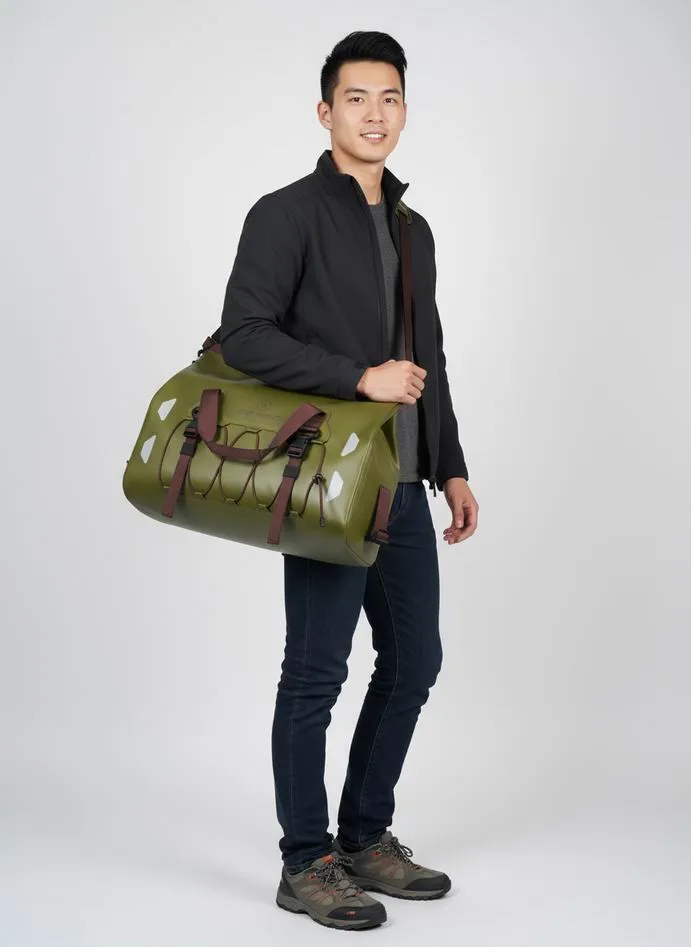
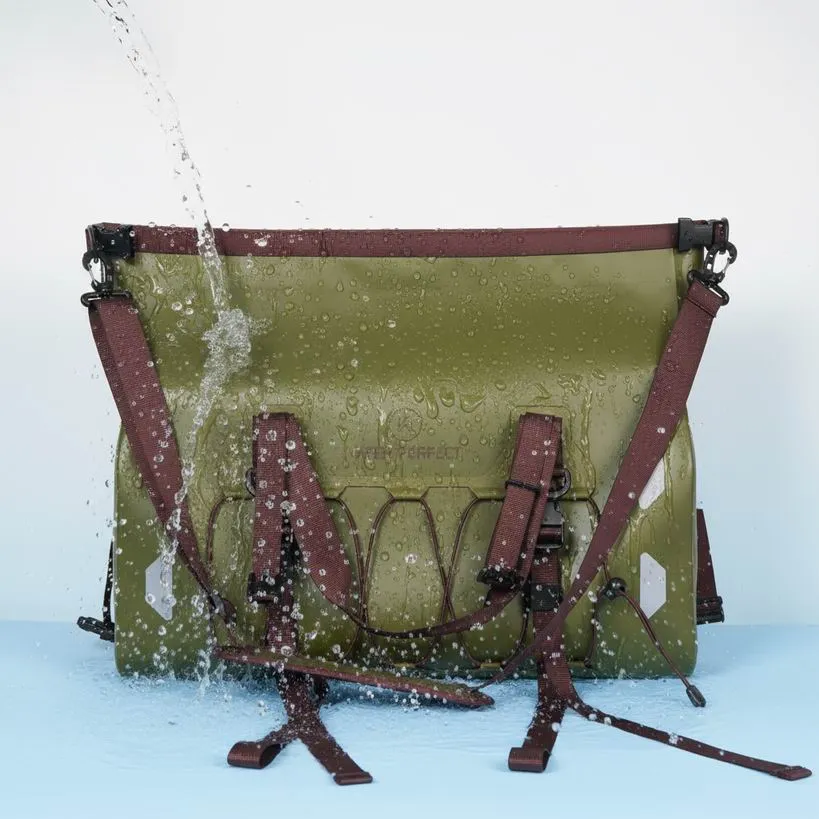
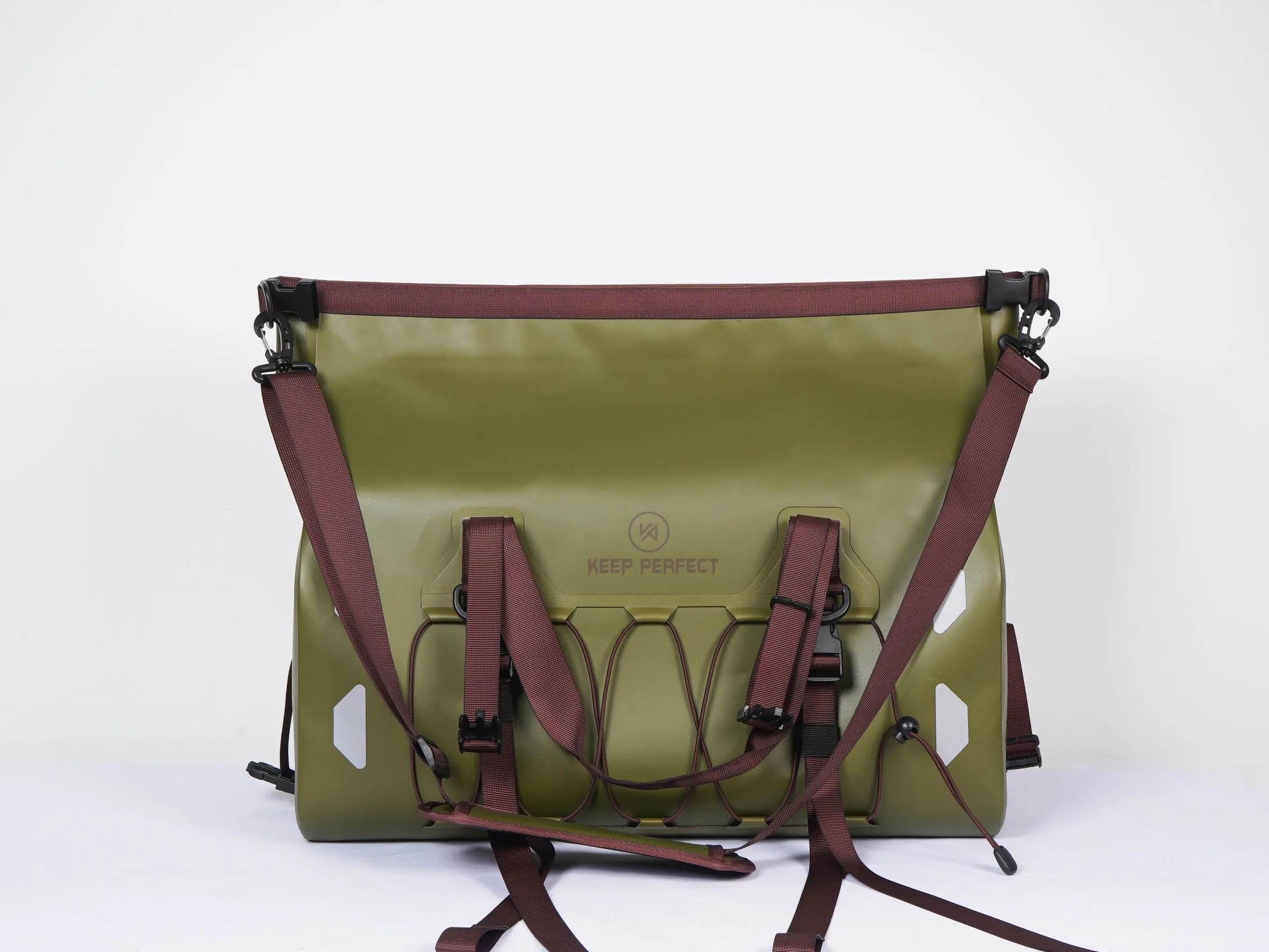
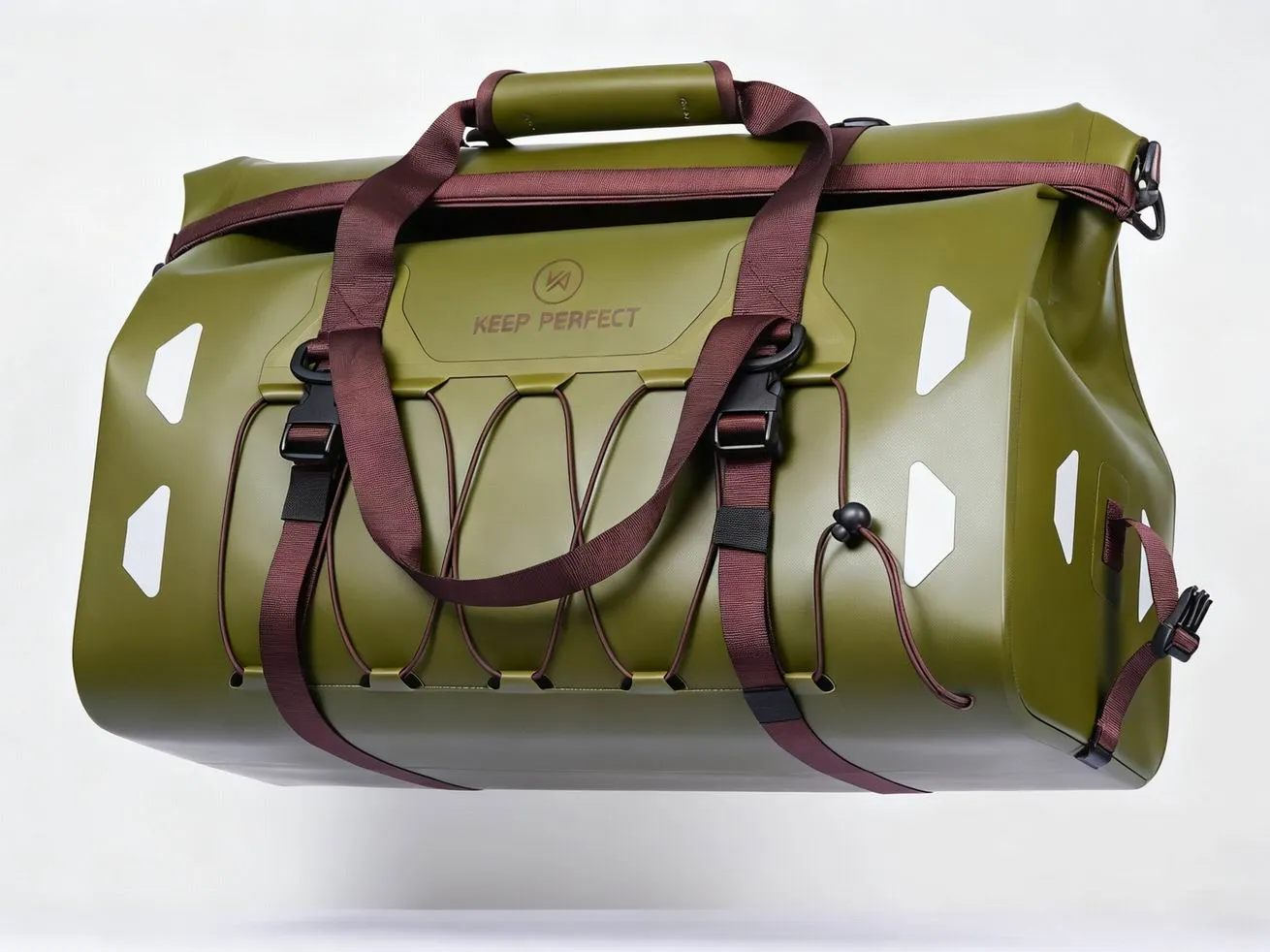
Below are reference images that align with the main keyword focus of this article. Use them as a visual guide for structure, materials, and application scenarios.
Industry Requirements for tourism bags
The science and engineering behind tourism bags involves multiple interconnected factors that determine the final product's performance, durability, and cost. At its core, travel waterproof must balance waterproof integrity with practical usability, manufacturing feasibility, and market-appropriate pricing. Understanding these technical foundations helps product developers and procurement professionals make specifications that result in successful products.
In the context of hotel amenities, the relationship between material properties and product performance is particularly important. Different waterproof materials and construction methods produce markedly different results in terms of waterproof rating, durability, weight, and user experience. The choice between TPU and PVC, welded and stitched seams, roll-top and zipper closures - each decision creates cascading effects throughout the product design and manufacturing process.
Modern manufacturing techniques, particularly high-frequency welding and precision die-cutting, have significantly expanded the design possibilities for waterproof bags. These technologies allow for complex seam patterns, integrated features, and consistent quality at production volumes that were not economically feasible a decade ago. At our Quanzhou facility, we leverage these advanced manufacturing capabilities across all product categories, from simple dry bags to multi-compartment technical backpacks.
Industry-Specific Requirements Matrix
The following comparison provides a structured overview of key factors relevant to tourism bags. Use this reference when specifying requirements for your custom waterproof bag project to ensure all critical parameters are addressed.
| Industry | Primary Requirement | Min. IPX | Critical Feature | Compliance |
|---|---|---|---|---|
| Marine/Boating | Saltwater resistance | IPX7 | Corrosion-resistant hardware | CE marking |
| Military/Tactical | Rugged durability | IPX7-8 | IR-compliant, MIL-STD | MIL-STD-810 |
| Medical/Healthcare | Sterile transport | IPX5-7 | Anti-microbial materials | FDA/CE |
| Construction | Heavy-duty protection | IPX5-6 | High-visibility, reinforced | ANSI/ISEA |
| Photography | Equipment protection | IPX6-8 | Padded compartments | No specific |
| Oil & Gas | Chemical resistance | IPX6-7 | ATEX-compliant options | ATEX directive |
Deployment and Operational Considerations
When working with tourism bags in real-world applications, several practical factors must be addressed to ensure optimal performance and user satisfaction. The following considerations draw from our 20 years of manufacturing experience and feedback from brands operating across diverse markets and applications.
- Define Compliance Requirements Early - Industry-specific regulations (MIL-STD, FDA, CE) must be identified before material selection and design. Retrofitting compliance is expensive and sometimes impossible.
- Specify Operating Environment - Temperature range, chemical exposure, UV intensity, and mechanical stress all affect material and construction decisions. Document these in your product specification.
- Plan for Field Maintenance - Professional users need products that can be maintained in the field. Design features like replaceable straps, cleanable interiors, and repairable seams extend service life.
- Consider Total Cost of Ownership - Industrial buyers evaluate products on lifecycle cost, not just purchase price. Higher initial cost often delivers lower total cost through extended service life.
- Build in Redundancy for Critical Applications - For applications where waterproof failure has serious consequences (medical, military, emergency), consider redundant sealing systems and fail-safe closures.
Field Checklist for tourism bags
- Waterproof rating: Confirm IPX requirement based on actual use scenario.
- Seam method: Welded seams for IPX7+; stitched+taped for IPX5-6.
- Closure system: Roll-top for highest protection; waterproof zipper for convenience.
- Material selection: TPU for flexibility, PVC for cost, rPET+TPU for sustainability.
- QC plan: Define test frequency and acceptance criteria in PO.
Manufacturing for Professional Standards
At Junyuan Bags, our manufacturing approach to tourism bags products is built on two decades of continuous improvement in waterproof bag production. Our 15,000-square-meter facility in Quanzhou, Fujian, China, operates under BSCI and ISO 9001 certified quality management systems, with dedicated production lines for different waterproof construction methods including high-frequency welding, hot-air taping, and ultrasonic bonding.
Every production order follows our standardized quality control workflow: incoming material inspection (fabrics, zippers, hardware are tested against specifications before entering production), in-process quality control (seam integrity, dimensional accuracy, and visual quality are checked at each workstation), waterproof testing (finished products are tested per IPX requirements using calibrated equipment), and final inspection (comprehensive AQL inspection before packaging and shipment). These procedures ensure consistent quality across production runs, regardless of order size.
For tourism bags specifically, our engineering team works closely with clients during the specification phase to identify potential quality risks and implement preventive measures. This proactive approach, combined with our investment in advanced manufacturing equipment and skilled operators, results in defect rates consistently below industry averages and warranty claim rates under 0.5% across our product range.
Total Cost of Ownership for Professional Applications
The cost structure for tourism bags products reflects the interplay of material quality, construction complexity, order volume, and performance requirements. Understanding this cost structure helps you make informed decisions about where to invest and where to optimize without compromising the performance that your customers depend on.
For custom waterproof bags, material cost typically represents 40-55% of the total manufacturing cost, with labor at 25-35% and overhead (tooling, setup, quality control, packaging) at 15-25%. The most significant cost drivers are the waterproof rating (moving from IPX5 to IPX8 can increase cost by 50-80%), material selection (TPU costs 40-60% more than equivalent PVC), and order volume (per-unit costs decrease 15-30% from 500 to 5,000 units due to fixed cost amortization).
Our recommendation is to specify the minimum waterproof performance that meets your actual use case, invest in quality construction (welded seams over stitched-and-taped where possible), and maximize order volume to benefit from volume pricing. This approach delivers the best balance of performance, quality, and cost for your custom waterproof bag project.
Conclusion
Understanding tourism bags requires careful consideration of materials, construction methods, compliance requirements, and manufacturer capabilities. Whether you need travel waterproof for outdoor recreation, professional applications, or consumer products, the key to success lies in clear specification, appropriate material selection, and rigorous quality control throughout the manufacturing process.
At Junyuan Bags, we bring 20 years of manufacturing experience to every custom waterproof bag project. Our BSCI and ISO 9001 certifications, combined with advanced manufacturing capabilities including high-frequency welding, precision cutting, and comprehensive waterproof testing, ensure that your products meet the highest standards of performance and reliability. Contact our team at cco@junyuanbags.com for a free consultation and detailed project assessment.
FAQ
What is the minimum waterproof rating for tourism bags?
Most buyers target IPX5-IPX6 for rain and splashes. IPX7-IPX8 is reserved for submersion or extreme water exposure. Match the rating to the real use case to avoid unnecessary cost.
Which materials are best for travel waterproof performance?
TPU laminates and welded seams deliver the most consistent waterproof performance. PVC is cost-effective but heavier; TPU is more flexible and eco-friendly.
How do I specify hotel amenities correctly?
Include dimensions, capacity, target IPX rating, seam method, closure type, logo method, and expected order volume. Clear specs reduce sampling rounds and speed up production.
How do you test waterproof performance?
We use IPX testing (spray and submersion), hydrostatic head tests, and seam integrity checks. Test protocols are defined in advance and validated on samples and production batches.
What is the typical MOQ?
Our standard MOQ for custom production is 500 pcs. For sampling and pre-production approval, smaller trial quantities can be arranged depending on the product structure and material.
Can you help with design and branding?
Yes. We support artwork preparation, Pantone matching, logo placement maps, and optional packaging design to ensure brand consistency across production runs.
Specification Examples for tourism bags
Example specification format: 30L capacity, IPX7 rating, TPU 0.35mm laminated shell, HF welded seams, roll-top closure, 25mm webbing straps, D-ring attachment points, and 600D base reinforcement. This type of structure ensures the product is measurable and easy to quote.
Common Mistakes to Avoid
- Over-specifying IPX: IPX8 is not necessary for most consumer uses and can inflate cost.
- Ignoring closure compatibility: Waterproof zippers must match the material and seam system.
- Missing test criteria: Without defined tests, waterproof claims become subjective.
- Skipping field testing: Lab tests are required, but real-world testing prevents surprises.
Packaging and Branding Considerations
Retail programs often require hangtags, barcode labels, and retail-ready packaging. For wholesale orders, bulk polybag packaging can reduce shipping volume. Brand placement should be tested on actual material swatches to avoid color mismatch.
Case Scenario: tourism bags in Real Use
A typical buyer for tourism bags prioritizes reliable waterproof performance, clean branding placement, and consistent color matching across orders. The most successful projects align these requirements during sampling and lock a golden sample before mass production.
Extended Guidance 1
This extended guidance expands on tourism bags with practical phrasing for procurement teams. It reinforces waterproof rating selection, material trade-offs, seam construction methods, closure design, and inspection criteria. Use this section as a checklist when finalizing specifications, pricing assumptions, and production schedules.
Extended Guidance 2
This extended guidance expands on tourism bags with practical phrasing for procurement teams. It reinforces waterproof rating selection, material trade-offs, seam construction methods, closure design, and inspection criteria. Use this section as a checklist when finalizing specifications, pricing assumptions, and production schedules.
Extended Guidance 3
This extended guidance expands on tourism bags with practical phrasing for procurement teams. It reinforces waterproof rating selection, material trade-offs, seam construction methods, closure design, and inspection criteria. Use this section as a checklist when finalizing specifications, pricing assumptions, and production schedules.
Extended Guidance 4
This extended guidance expands on tourism bags with practical phrasing for procurement teams. It reinforces waterproof rating selection, material trade-offs, seam construction methods, closure design, and inspection criteria. Use this section as a checklist when finalizing specifications, pricing assumptions, and production schedules.
Extended Guidance 5
This extended guidance expands on tourism bags with practical phrasing for procurement teams. It reinforces waterproof rating selection, material trade-offs, seam construction methods, closure design, and inspection criteria. Use this section as a checklist when finalizing specifications, pricing assumptions, and production schedules.
Extended Guidance 6
This extended guidance expands on tourism bags with practical phrasing for procurement teams. It reinforces waterproof rating selection, material trade-offs, seam construction methods, closure design, and inspection criteria. Use this section as a checklist when finalizing specifications, pricing assumptions, and production schedules.
Extended Guidance 7
This extended guidance expands on tourism bags with practical phrasing for procurement teams. It reinforces waterproof rating selection, material trade-offs, seam construction methods, closure design, and inspection criteria. Use this section as a checklist when finalizing specifications, pricing assumptions, and production schedules.
Extended Guidance 8
This extended guidance expands on tourism bags with practical phrasing for procurement teams. It reinforces waterproof rating selection, material trade-offs, seam construction methods, closure design, and inspection criteria. Use this section as a checklist when finalizing specifications, pricing assumptions, and production schedules.
Extended Guidance 9
This extended guidance expands on tourism bags with practical phrasing for procurement teams. It reinforces waterproof rating selection, material trade-offs, seam construction methods, closure design, and inspection criteria. Use this section as a checklist when finalizing specifications, pricing assumptions, and production schedules.
Extended Guidance 10
This extended guidance expands on tourism bags with practical phrasing for procurement teams. It reinforces waterproof rating selection, material trade-offs, seam construction methods, closure design, and inspection criteria. Use this section as a checklist when finalizing specifications, pricing assumptions, and production schedules.
Extended Guidance 11
This extended guidance expands on tourism bags with practical phrasing for procurement teams. It reinforces waterproof rating selection, material trade-offs, seam construction methods, closure design, and inspection criteria. Use this section as a checklist when finalizing specifications, pricing assumptions, and production schedules.
Extended Guidance 12
This extended guidance expands on tourism bags with practical phrasing for procurement teams. It reinforces waterproof rating selection, material trade-offs, seam construction methods, closure design, and inspection criteria. Use this section as a checklist when finalizing specifications, pricing assumptions, and production schedules.
Extended Guidance 13
This extended guidance expands on tourism bags with practical phrasing for procurement teams. It reinforces waterproof rating selection, material trade-offs, seam construction methods, closure design, and inspection criteria. Use this section as a checklist when finalizing specifications, pricing assumptions, and production schedules.
Extended Guidance 14
This extended guidance expands on tourism bags with practical phrasing for procurement teams. It reinforces waterproof rating selection, material trade-offs, seam construction methods, closure design, and inspection criteria. Use this section as a checklist when finalizing specifications, pricing assumptions, and production schedules.
Extended Guidance 15
This extended guidance expands on tourism bags with practical phrasing for procurement teams. It reinforces waterproof rating selection, material trade-offs, seam construction methods, closure design, and inspection criteria. Use this section as a checklist when finalizing specifications, pricing assumptions, and production schedules.
Extended Guidance 16
This extended guidance expands on tourism bags with practical phrasing for procurement teams. It reinforces waterproof rating selection, material trade-offs, seam construction methods, closure design, and inspection criteria. Use this section as a checklist when finalizing specifications, pricing assumptions, and production schedules.
Extended Guidance 17
This extended guidance expands on tourism bags with practical phrasing for procurement teams. It reinforces waterproof rating selection, material trade-offs, seam construction methods, closure design, and inspection criteria. Use this section as a checklist when finalizing specifications, pricing assumptions, and production schedules.
Extended Guidance 18
This extended guidance expands on tourism bags with practical phrasing for procurement teams. It reinforces waterproof rating selection, material trade-offs, seam construction methods, closure design, and inspection criteria. Use this section as a checklist when finalizing specifications, pricing assumptions, and production schedules.
Extended Guidance 19
This extended guidance expands on tourism bags with practical phrasing for procurement teams. It reinforces waterproof rating selection, material trade-offs, seam construction methods, closure design, and inspection criteria. Use this section as a checklist when finalizing specifications, pricing assumptions, and production schedules.
Extended Guidance 20
This extended guidance expands on tourism bags with practical phrasing for procurement teams. It reinforces waterproof rating selection, material trade-offs, seam construction methods, closure design, and inspection criteria. Use this section as a checklist when finalizing specifications, pricing assumptions, and production schedules.
Extended Guidance 21
This extended guidance expands on tourism bags with practical phrasing for procurement teams. It reinforces waterproof rating selection, material trade-offs, seam construction methods, closure design, and inspection criteria. Use this section as a checklist when finalizing specifications, pricing assumptions, and production schedules.
Extended Guidance 22
This extended guidance expands on tourism bags with practical phrasing for procurement teams. It reinforces waterproof rating selection, material trade-offs, seam construction methods, closure design, and inspection criteria. Use this section as a checklist when finalizing specifications, pricing assumptions, and production schedules.
Extended Guidance 23
This extended guidance expands on tourism bags with practical phrasing for procurement teams. It reinforces waterproof rating selection, material trade-offs, seam construction methods, closure design, and inspection criteria. Use this section as a checklist when finalizing specifications, pricing assumptions, and production schedules.
Extended Guidance 24
This extended guidance expands on tourism bags with practical phrasing for procurement teams. It reinforces waterproof rating selection, material trade-offs, seam construction methods, closure design, and inspection criteria. Use this section as a checklist when finalizing specifications, pricing assumptions, and production schedules.
Extended Guidance 25
This extended guidance expands on tourism bags with practical phrasing for procurement teams. It reinforces waterproof rating selection, material trade-offs, seam construction methods, closure design, and inspection criteria. Use this section as a checklist when finalizing specifications, pricing assumptions, and production schedules.
Extended Guidance 26
This extended guidance expands on tourism bags with practical phrasing for procurement teams. It reinforces waterproof rating selection, material trade-offs, seam construction methods, closure design, and inspection criteria. Use this section as a checklist when finalizing specifications, pricing assumptions, and production schedules.
Extended Guidance 27
This extended guidance expands on tourism bags with practical phrasing for procurement teams. It reinforces waterproof rating selection, material trade-offs, seam construction methods, closure design, and inspection criteria. Use this section as a checklist when finalizing specifications, pricing assumptions, and production schedules.
Extended Guidance 28
This extended guidance expands on tourism bags with practical phrasing for procurement teams. It reinforces waterproof rating selection, material trade-offs, seam construction methods, closure design, and inspection criteria. Use this section as a checklist when finalizing specifications, pricing assumptions, and production schedules.
Extended Guidance 29
This extended guidance expands on tourism bags with practical phrasing for procurement teams. It reinforces waterproof rating selection, material trade-offs, seam construction methods, closure design, and inspection criteria. Use this section as a checklist when finalizing specifications, pricing assumptions, and production schedules.
Extended Guidance 30
This extended guidance expands on tourism bags with practical phrasing for procurement teams. It reinforces waterproof rating selection, material trade-offs, seam construction methods, closure design, and inspection criteria. Use this section as a checklist when finalizing specifications, pricing assumptions, and production schedules.
Extended Guidance 31
This extended guidance expands on tourism bags with practical phrasing for procurement teams. It reinforces waterproof rating selection, material trade-offs, seam construction methods, closure design, and inspection criteria. Use this section as a checklist when finalizing specifications, pricing assumptions, and production schedules.
Extended Guidance 32
This extended guidance expands on tourism bags with practical phrasing for procurement teams. It reinforces waterproof rating selection, material trade-offs, seam construction methods, closure design, and inspection criteria. Use this section as a checklist when finalizing specifications, pricing assumptions, and production schedules.